Date: January 4, 2025
Author: CETQAP News
Location: Islamabad, Pakistan
If you’re a stargazing enthusiast in Pakistan, CETQAP (Centre of Excellence for Technology Quantum and AI) brings you an exclusive 2025 celestial calendar packed with spectacular space events, meteor showers, supermoons, eclipses, and Eid moon sightings. This article is your go-to guide for all the major astronomical events in Pakistan, complete with timings in Pakistan Standard Time (PST).
What to Expect in 2025?
From dazzling meteor showers to rare planetary alignments, 2025 promises to be an exciting year for skywatchers. Whether you’re in Karachi, Lahore, Islamabad, or the serene valleys of Hunza, these cosmic events are visible across the country. Let’s dive into the month-by-month celestial guide for 2025.
January 2025: Meteor Showers and Planetary Conjunctions
Quadrantid Meteor Shower (January 3-4):
Peak visibility after midnight on January 4. Expect up to 40 meteors per hour under dark skies. Best viewing time: 3:00 AM PST.
Venus and Saturn Conjunction (January 17-18):
Catch Venus and Saturn side-by-side in the western sky after 6:00 PM PST. This celestial pairing is perfect for beginners with binoculars or telescopes.
February 2025: Planetary Parade
- Planetary Alignment (February 28):
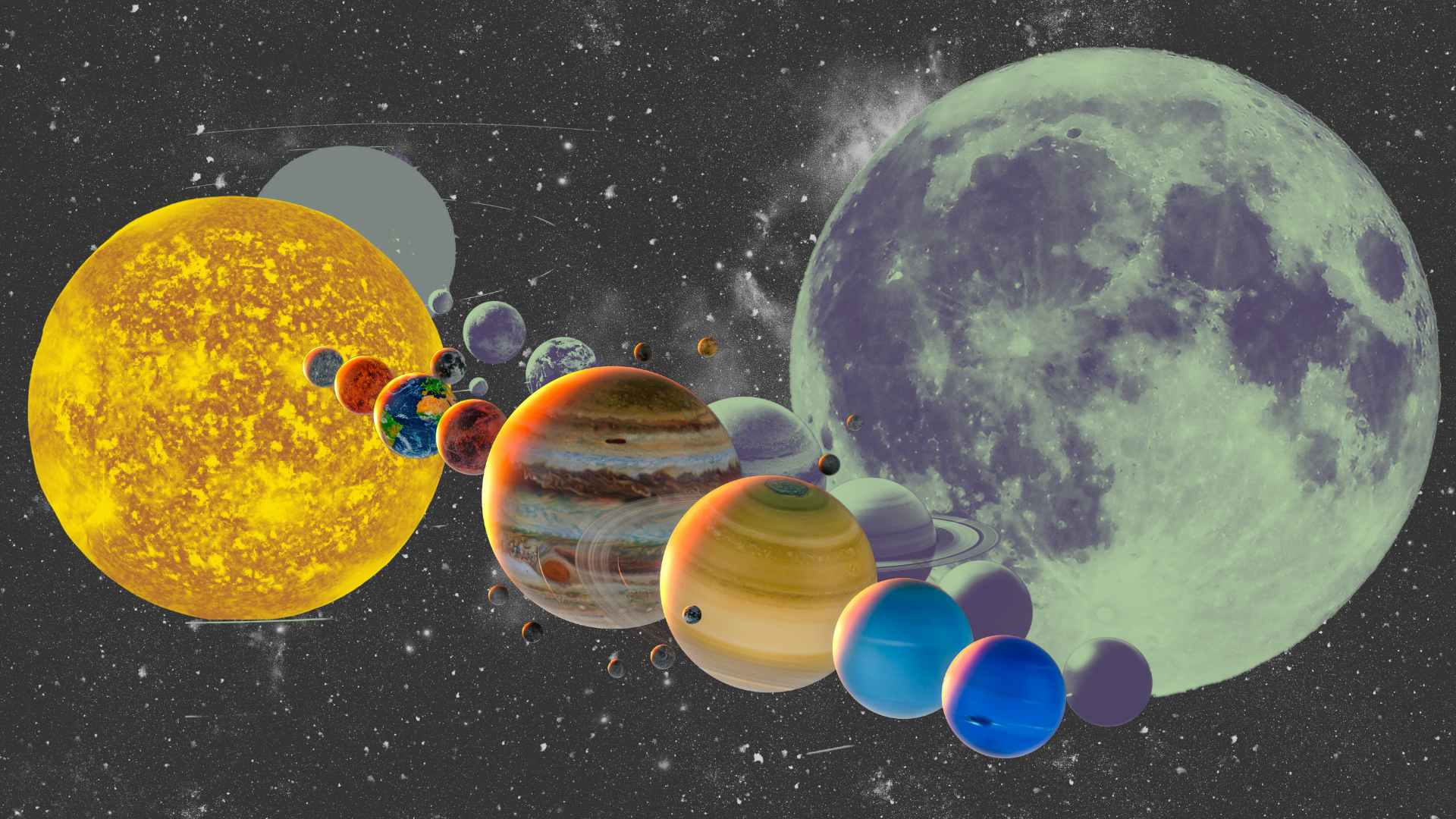
A rare planetary parade where all eight planets will align, creating a breathtaking celestial view. Best visibility: after 8:00 PM PST.
March 2025: Lunar Eclipse and Saturn’s Rings
Total Lunar Eclipse (March 14):
Starting at 5:30 PM PST, this eclipse will reach its total phase by 6:30 PM PST, giving the Moon a reddish glow visible across Pakistan.
Saturn’s Rings Edge-On:
Throughout March, Saturn’s rings will appear nearly invisible, offering a unique telescopic view.
April 2025: Lyrids and Ramadan Eid Moon
May 2025: Halley’s Comet Meteors
- Eta Aquariid Meteor Shower (May 6-7):
Linked to Halley’s Comet, this shower peaks in the pre-dawn hours from 3:00–5:00 AM PST.
July 2025: Southern Delta Aquariids
- Southern Delta Aquariid Meteor Shower (July 28-29):
Best visible from southern Pakistan, this meteor shower peaks late at night between 2:00–4:00 AM PST on July 28.
August 2025: Perseid Meteor Shower
- Perseid Meteor Shower (August 12-13):
Known for its vibrant meteors, this annual event peaks on August 13, with up to 100 meteors per hour visible after midnight PST.
September 2025: Eclipses Galore
Total Lunar Eclipse (September 7):
Starting at 8:00 PM PST, the Moon will glow a coppery red by 9:10 PM PST, visible across the country.
Partial Solar Eclipse (September 21):
A partial solar eclipse will be visible during the late morning hours between 10:00 AM and 1:00 PM PST. Ensure you use proper solar filters for safe viewing.
October 2025: Supermoon Season Begins
- Supermoon (October 7):
The Moon will appear larger and brighter, especially visible after 7:00 PM PST.
November 2025: Another Supermoon
- Supermoon (November 5):
Witness another luminous supermoon visible after 6:45 PM PST, perfect for moonlit photography.
December 2025: Rabi-ul-Awwal Moon and Cosmic Finale
Geminid Meteor Shower (December 13-14):
Known as one of the brightest meteor showers, the Geminids peak between 2:00–4:00 AM PST on December 13.
Supermoon (December 4):
End the year with a supermoon that rises after 6:30 PM PST.
Eid Moon Sightings in 2025
Moon sightings hold significant importance for Islamic months. Here are the key dates:
Ramadan Moon Sighting – February 28, 2025: The new moon occurs at 05:45 AM Islamabad local time (PKT). The crescent moon might be visible after sunset on March 1, 2025, depending on local atmospheric conditions and lunar visibility.
Ramadan Eid Moon – March 29, 2025: The new moon occurs at which is 15:58 PM Islamabad local time (PKT). The crescent moon may be visible after sunset on March 30, 2025.
Keep your telescopes and binoculars ready for these crescent sightings, and follow local mosque announcements for official confirmations.
CETQAP’s Stargazing Tips
- Choose the Right Spot: Avoid city light pollution. Locations like Hunza, Skardu, and Cholistan Desert offer perfect dark skies.
- Stay Updated: Check weather conditions to ensure clear visibility.
- Gear Up: Telescopes and binoculars enhance the experience for meteor showers, eclipses, and moon details.
The year 2025 is packed with celestial wonders visible from Pakistan. From meteor showers to moon sightings for Eid-ul-Fitr and Eid-ul-Adha, there’s something for everyone to enjoy. Save this CETQAP celestial calendar and prepare for unforgettable nights under the stars.
Disclaimer: We have tried our best to predict through Space and Moon Algorithms so they might fluctuate depending on the visibility and atmosphere on that day as there is a prediction of Cloudy and Rainy weather in Feb end and March beginning but these are the Dates for Ramadan and Eid Moon Sighting.